

Chidosky Boss Advocates Stronger Policy Action To Protect Indigenous Operators
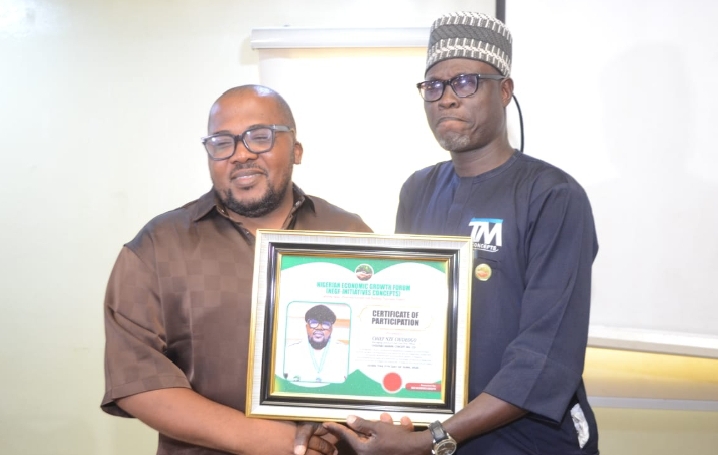
Managing Director of Chidosky Marine Concepts, Mr. Chidiogo Okpara, has affirmed that, although Nigerian Enterprises Promotion policies were designed decades ago to shield local businesses, many indigenous firms in the maritime sector have since collapsed due to poor implementation and insufficient support.
Okpara warned that without urgent, practical interventions, the nation risks further loss of locally owned capacity and expertise.
The maritime practitioner disclosed this recently at a forum in Lagos .
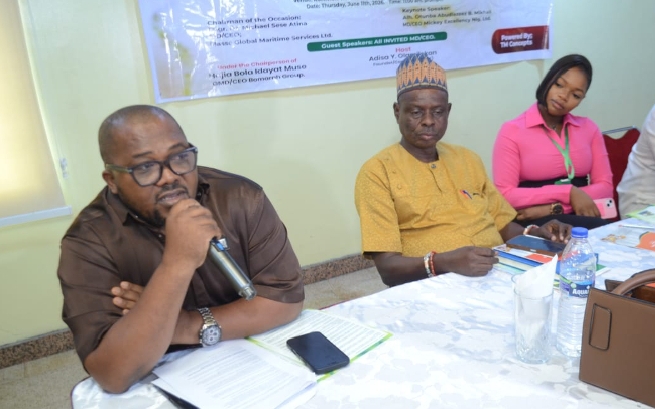
He attributed the decline partly to gaps between policy intent and enforcement, noting that regulatory instruments designed to favour Nigerian operators are often undermined by weak monitoring, inconsistent application, and loopholes that allow foreign or politically connected firms to circumvent local-content rules.
The Chidosky boss argued that closing these loopholes and strengthening oversight would immediately improve the operating environment for indigenous companies.
Okpara also highlighted the need for predictable financing and targeted capacity-building programs. He recommended concessional loan windows, credit guarantees, and industry-focused technical assistance to help small and medium maritime enterprises invest in vessels, equipment, and workforce training.
According to him, access to affordable capital must be paired with mentorship and certification programs so businesses can meet national and international safety and service standards.

The MD called for deliberate policies to incentivize preferential procurement from Nigerian operators across government and parastatals.
He suggested mandatory local-operator quotas in state-sponsored contracts and clearer enforcement mechanisms, so procurement decisions no longer favour external service providers at the expense of home-grown firms.
Okpara said such measures would create stable demand, encouraging reinvestment and long-term growth for indigenous entities.
He urged greater involvement of young professionals and industry stakeholders in shaping maritime and industrial policy, saying fresh perspectives can modernize approaches to compliance, technology adoption, and market access.
Okpara proposed establishing a youth-led advisory forum that feeds directly into policy reviews, ensuring reforms reflect operational realities and the ambitions of the next generation of maritime entrepreneurs..
Finally, Okpara stressed that protecting indigenous operators is not protectionism for its own sake but a strategic choice for national resilience.
He warned that rebuilding domestic capacity will safeguard jobs, retain technical know-how, and keep economic value within Nigeria.
The maritime practitioner called on government, private sector, and development partners to coordinate quickly on a clear, time-bound roadmap to revive and sustain Nigerian maritime enterprises.