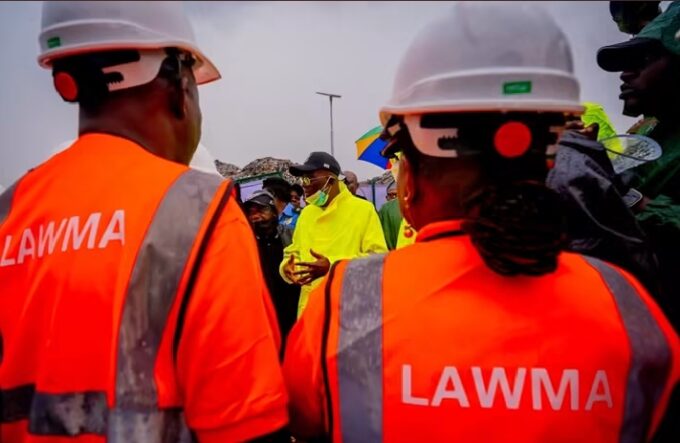


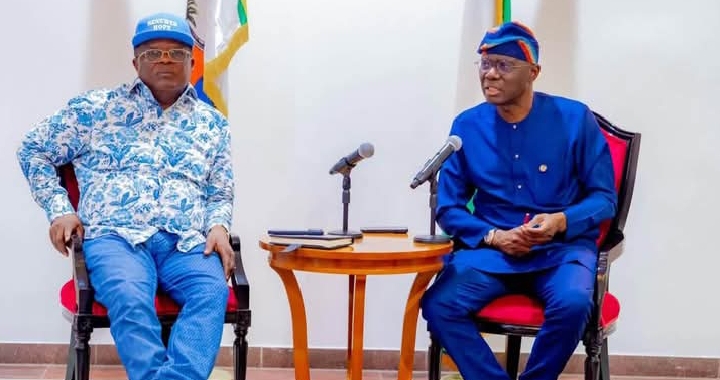
The Lagos State Government, in collaboration with the Federal Government, has begun deploying specialised mechanised street‑cleaning equipment to ensure daily maintenance and protection of the Lagos‑Calabar Coastal Highway.
The move forms part of coordinated efforts to safeguard the highway, reduce urban flooding risks caused by blocked drains and refuse, and preserve the value of the landmark infrastructure for residents and road users.
Governor Babajide Sanwo‑Olu announced that Lagos has signed an agreement with a mechanised street‑cleaning company to operate heavy‑duty six‑lane sweeping machines along the Coastal Highway.
The governor said the machines will perform daily clearing of refuse and debris, protect drainage channels, and support broader sanitation measures across adjacent corridors and service roads.
Governor Sanwo‑Olu also announced a parallel major clean‑up of the Lagos‑Badagry Expressway and signaled forthcoming environmental regulations to reinforce anti‑littering and waste‑management rules.

“Protecting this national asset remains a top priority,” Governor Sanwo‑Olu said. “These specialised machines will significantly reduce blockages that worsen flooding and will help ensure the highway remains safe, clean and resilient for decades to come.”
He reiterated that while seasonal and coastal flooding are natural occurrences, human factors such as indiscriminate waste disposal exacerbate the problem and must be tackled through strict enforcement and mechanised clean‑up operations.
The Minister of Works, Engr. David Umahi, who led a Federal inspection of the corridor, affirmed that the coastal highway was deliberately elevated and designed to withstand ocean surges for the next 20–30 years.
He welcomed the mechanised cleaning initiative as a critical complement to the highway’s design and the Lagos State drainage master plan, which directs stormwater into lagoons rather than directly into the ocean.
“The highway’s long‑term performance depends on routine maintenance and proper drainage management,” Minister Umahi said.
“Deploying specialised sweeping machines alongside completed drainage evacuation channels will strengthen resilience and reduce localized flooding linked to blocked drains.” He noted that more than 80 percent of drainage evacuation channels to lagoons have already been completed and pledged ongoing
.