

Gov. Diri Seeks State Law On Marine / blue Economy , invites Private Sector To invest In Agge Deep Seaport
By Roland Ekama
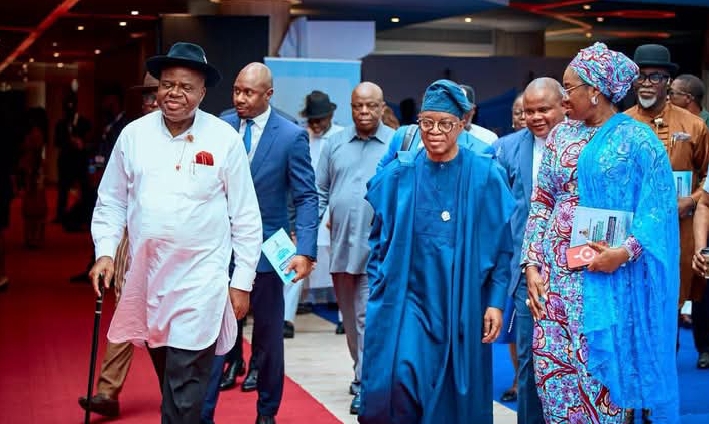
The Bayelsa State Governor, Senator Douye Diri, has canvassed for State laws for the Marine and Blue Economy ecosystem, ,calling on private sector to invest in the Agge deep seaport project.
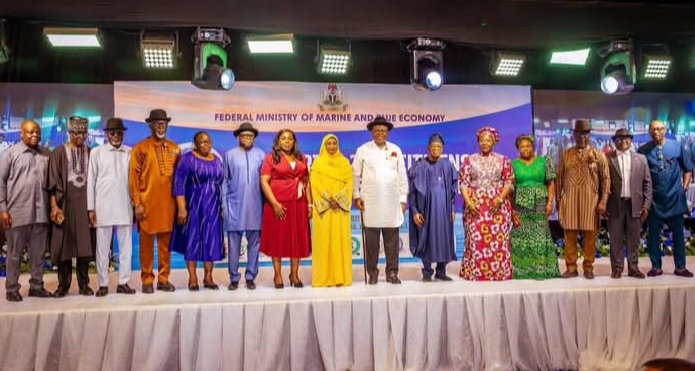
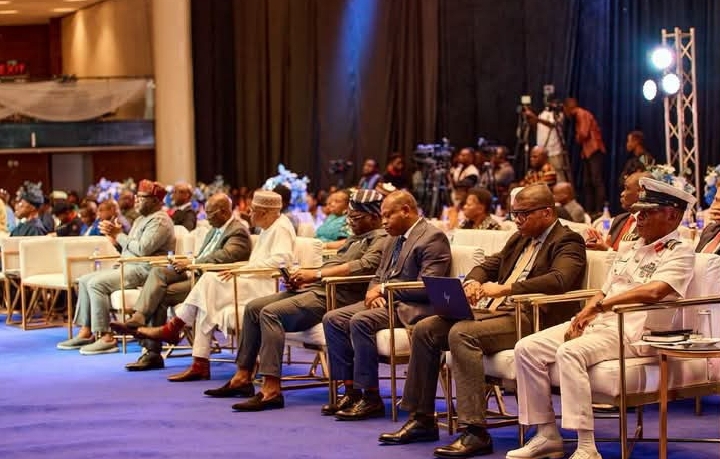
Diri on Thursday in Lagos graced the 2nd Quarter 2026 Citizens/Stakeholders’ Engagement of the Federal Ministry of Marine and Blue Economy, with a theme: “From policy to action: Mobilising Sub-National Governments for Effective Implementation of Nigeria’s National Policy on Marine and Blue Economy.
He noted that as the first state among the 36 states to establish a State Ministry of Marine and Blue Economy, Bayelsa has become a model in terms of operational structure and enabling legislations.
“I respectfully propose five pathways for our collective progress. First, institutionalise with weight. Create focal Ministries or Agencies and give them political and financial authority. Second, legislate with clarity. Enact State Blue Economy Laws that align with the National Policy, yet reflect your unique geography and people.Third, secure and map your domain.”
The governor renewed the commitment of the State Government to the development of Agge Deep Seaport and expressed the confidence that the Federal Government will stand with Bayelsa to achieve this project that will create economic opportunities for the people.
Governor Diri stated: “Importantly, the Bayelsa Blue Economy is being organised into clusters. We are building fisheries and aquaculture clusters around hatcheries, feed systems, grow-out ponds, cold storage, processing, packaging, and marketing.
“We are developing marine transport and safety clusters around jetties, boat operations, waterway safety, life jackets, emergency response, and regulatory coordination. We are advancing maritime infrastructure and logistics clusters around the Agge Deep Seaport vision, coastal trade, port-related services, and investment corridors.”
“We are also promoting marine tourism, leveraging our rivers, creeks, coastlines, culture, and waterfronts to create opportunities in leisure, hospitality, and destination development. In marine transport, our administration has acquired a modern marine fleet and is refurbishing existing vessels. “

Governor Diri, further appreciated Mr. President, Asiwaju Bola Ahmed Tinubu, GCFR, for the creation of the ministry with the capacity and potential to turn around the economic fortunes of the country.
Earlier, the Minister of Marine and Blue Economy, Dr. Adegboyega Oyetola, called for deeper collaboration among the Federal Government, state governments, the private sector and development partners to accelerate implementation of Nigeria’s National Policy on Marine and Blue Economy. He described active sub‑national participation as essential to unlocking the sector’s large economic potential.
Oyetola noted that the national policy provides a strategic framework for harnessing Nigeria’s oceans, inland waterways, fisheries and coastal resources, but its success depends on coordinated action at all levels of government.
He said many blue economy assets reside in states and communities, making sub‑national governments indispensable in driving investment, improving food security and protecting the environment.
Highlighting reforms under President Bola Ahmed Tinubu’s Renewed Hope Agenda, the minister pointed to strengthened stakeholder engagement, increased investment, improved maritime safety and enhanced port.
competitiveness. He cited the 2025 World Bank and S&P Global Market Intelligence Container Port Performance Index, which ranked Tin Can Island Port among the top ten most improved ports globally and Lagos Port Complex, Apapa, among the top twelve for progress between 2020 and 2025. Ongoing port modernisation and planned deep seaports in states such as Akwa Ibom, Bayelsa, Cross River, Lagos and Ondo will, he said, reinforce Nigeria’s role as West Africa’s maritime hub.
Oyetola added that improved port operations helped sustain a national trade surplus since 2024. On inland waterways, the ministry has intensified collaboration with agencies and states, distributed life jackets nationwide and urged replacement of unsafe wooden passenger boats with modern fibre vessels. He encouraged coastal states to align development plans with the national policy and to promote private investment across fisheries, aquaculture, maritime transport, tourism, shipbuilding, renewable energy and marine biotechnology.
Addressing private sector roles, Aliko Dangote, President and CEO of Dangote Industries Limited, represented by Dangote Port Operations MD Simeon Akin Omole, said private investment is critical to meeting the policy’s targets—three million jobs within four years, annual sector growth of seven percent and prioritised youth employment. He called for policy consistency, quality infrastructure, finance access and confidence‑building measures.
Dangote highlighted opportunities in industrial clusters around deep seaports, and in the fisheries value chain, where greater investment could cut nearly $1 billion in annual fish imports, create over 500,000 jobs and boost exports.
Speakers including the Deputy Governor of Akwa Ibom State Senator (Dr) Akon Eyakenyi, Chairman of the Senate Committee on Marine Transport Senator Wasiu Sanni Eshinlokun, representatives of Ondo and Borno governors, and private sector operators pledged support for the national blue economy agenda.