

NSC: How Dr. Pius Akutah Is Steering Nigeria’s Ports, Shippers Toward Global Competitiveness
By Roland Ekama
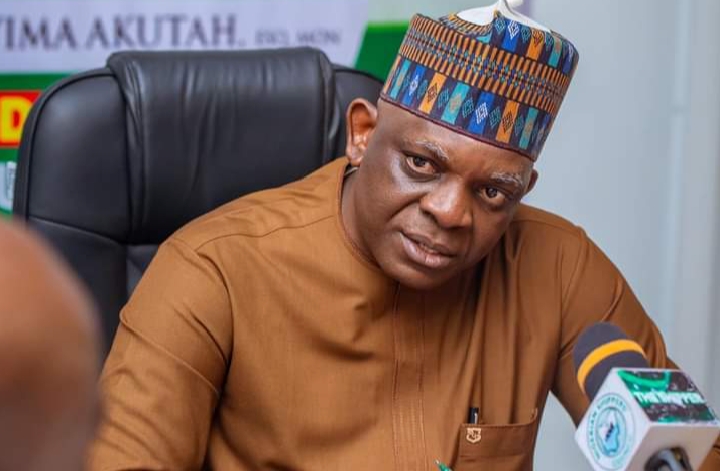
In the fast-moving landscape of Nigeria’s maritime sector, Bar. Pius Akutah Ukeyima Esq, MoN, FCiLT, Finsta, PhD, the Executive Secretary/CEO of the Nigerian Shippers’ Council (NSC), has in six months between January to June 2026 shown why steady, strategic leadership matters. Representing the Council within the Federal Ministry of Marine and Blue Economy, Dr. Akutah has moved quickly to secure regulatory clarity, strengthen stakeholder ties, and drive operational reforms that protect shippers, reduce costs, and align Nigeria’s ports with international norms.
A Regulator Who Acts
From the outset, Dr. Akutah signalled a firm commitment to transparent tariff regulation. He directed shipping companies to suspend unilateral charge reviews pending stakeholders consultation, underlining the NSC’s role as port economic regulator. At a high-stakes stakeholders’ meeting in Lagos, he warned that sanctions would follow noncompliance, stressing “transparency, fairness, and stakeholder participation.” Representatives from Shippers’ Association, ANLCA, NAGAFF, Trade Groups and other industry bodies welcomed the intervention, which has helped stabilise charges and protect port users during a period of economic strain. His readiness to step in and mediate trade disputes has also restored industrial peace in port operations, preventing disruptions that escalate costs for businesses and consumers.
Building partnerships on the ground
Dr. Akutah’s leadership is hands-on and partnership-driven. He hosted leaders of the Abuja Shippers’ Association and secured strategic engagement with Ogun State Governor Dapo Abiodun to advance the Gateway Inland Dry Port. He has also prioritized collaborations with the Nigerian Railway Corporation and the Bank of Industry to address logistics bottlenecks, poor road access and inadequate rail links that undermine port efficiency. Recent engagements with the Port Authority Police, Western Naval Command, and other security agencies focused on intelligence sharing and coordinated enforcement to reduce cargo delays and strengthen the business environment for maritime trade.

Championing reforms and legislative progress
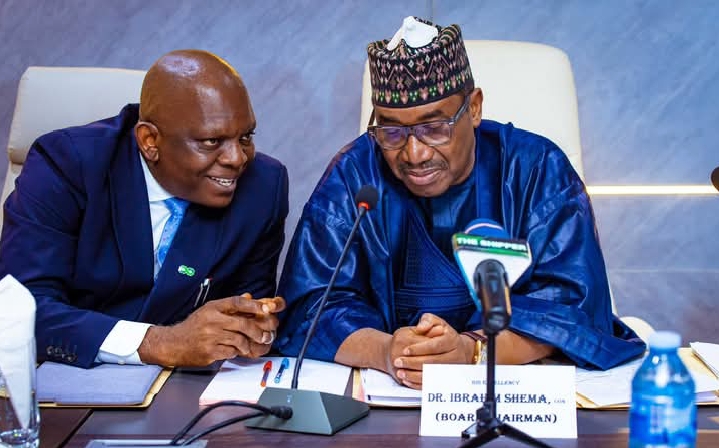
A persistent advocate for sector reforms, Dr. Akutah rallied the NSC Governing Board chaired by Dr. Ibrahim Shema to align the Council’s agenda with President Bola Tinubu’s $1 trillion GDP vision. He pushed the Nigerian Ports Economic Regulatory Agency (NPERA) Bill as a central instrument for modernising port economic regulation, while supporting the rollout of ICTN and a Freight Stabilisation Fee to stabilise costs and improve transparency. In appearances before the House Committee on Shipping, he highlighted the National Single Window as a game-changer for ending siloed processes and improving cargo visibility. Under his watch, automation initiatives approved earlier have already recorded N31 billion in savings, and ongoing procurement and staff welfare measures aim to sustain that momentum.
Savings Through Demurrage Automation
One of the most impactful reforms introduced under the leadership of Dr. Akutah is the automation of demurrage fee reasonableness confirmation through the Cargo Release and Delivery (CRD) Portal. This innovative intervention has significantly enhanced efficiency, transparency, and accountability in port operations.
Within just six months of implementation, the automated system generated savings of over ₦31.1 billion for port users while improving operational performance by more than 400 percent compared to the manual confirmation process previously in use.
In addition, through robust dispute resolution mechanisms and effective regulatory enforcement, the Nigerian Shippers’ Council (NSC) has successfully secured recoveries exceeding ₦197 billion on behalf of shippers and other port users under Dr. Akutah’s administration. These recoveries stemmed from the resolution of cases involving excessive charges, unjustified billings, wrongful detention fees, and other commercial disputes within the maritime sector.
The reforms have strengthened stakeholder confidence in the port system, promoted fairness in commercial transactions, and significantly reduced excessive and unverifiable demurrage and detention charges. They have also improved transparency, minimized delays in cargo clearance processes, and streamlined documentation procedures across the port value chain.


Expansion Of Border Information Centres
In furtherance of the Council’s commitment to trade facilitation and cross-border trade, Dr. Akutah, in collaboration with the Nigeria Customs Service, Ogun I Area Command, Idiroko, has successfully established a Border Information Centre (BIC) at the Idiroko Border. The facility is fully completed and ready for commissioning.
Furthermore, in line with the Presidential and Ministerial Performance Bonds signed by the Council, the NSC is advancing plans to establish an additional Border Information Centre at Maigatari Border, a major gateway between Nigeria and the Republic of Niger, before the end of the year.
These initiatives underscore the Council’s commitment to improving access to trade information, facilitating seamless cross-border
Investing in people and institutional capability.
At the NSC’s 2026 Strategic Management Retreat in Abeokuta, themed “Advancing Strategic Execution,” Dr. Akutah laid out a practical agenda: push stalled bills through collaboration, accelerate digital transformation, and cultivate a culture of excellence within the Council. He acknowledged delays in the NPERA Bill due to inter-agency disputes and urged staff to take ownership of reforms. To motivate personnel, he introduced targeted welfare measures education grants and proficiency allowances designed to build a “future-ready NSC” capable of responding to growing stakeholder expectations.
Security As A pillar Of Economic Reform
Dr. Akutah has framed maritime security as integral to port competitiveness. High-level meetings with the Port Authority Police (Western Command) and the Western Naval Command emphasized joint intelligence sharing, refined alert mechanisms, and coordinated enforcement to tackle illegal arrests of cleared containers and other bottlenecks. He praised naval gains in piracy reduction contributions that helped lower war-risk perceptions and reduce freight premiums while urging stronger technology adoption for maritime domain awareness. These security-focused alliances have translated into measurable improvements: shorter dwell times, better dispute resolution, and more predictable conditions that attract investment.
Community Impact And CSR
Beyond regulation and reform, Dr. Akutah has maintained a visible commitment to community welfare. NSC’s corporate social responsibility under his stewardship included a donation of an adjustable dental chair to Apapa General Hospital, improving local health services. He also promoted Border Information Centres to enhance cross-border trade facilitation and engaged freight-forwarding stakeholders to encourage dialogue over industrial actions consistently pushing for solutions that do not compromise trade flow.
Delivering Measurable Value
Dr. Akutah’s early months have already produced tangible economic benefits. Automation and process reforms point to N31 billion in savings, tariff interventions have shielded shippers from abrupt cost hikes, and security partnerships have helped make port operations more reliable. These results feed into a larger strategic intent: position Nigeria’s ports as competitive gateways that contribute to economic growth and the Tinubu administration’s GDP ambitions.
Forward-looking Stewardship
As the NPERA Bill advances through the Senate and the National Single Window and ICTN implementations progress, Dr. Akutah’s approach combining regulation, technology, and partnership offers a credible blueprint for modernising Nigeria’s maritime ecosystem. His blend of decisive action, stakeholder engagement, and staff-focused reforms suggest a durable institutional realignment that privileges predictability, efficiency, and inclusion.
In an industry where delays, opaque charges, and security lapses can quickly erode confidence, Dr. Pius Akutah’s tenure thus far projects steadiness and purposeful reform. If sustained, his agenda will not only protect shippers and reduce costs, but also help transform Nigeria’s ports into engines of trade and growth for the wider economy.
Comments are closed.