

Bonded Terminals In Nigeria Operate Below 10% – ABTON
By Roland Ekama
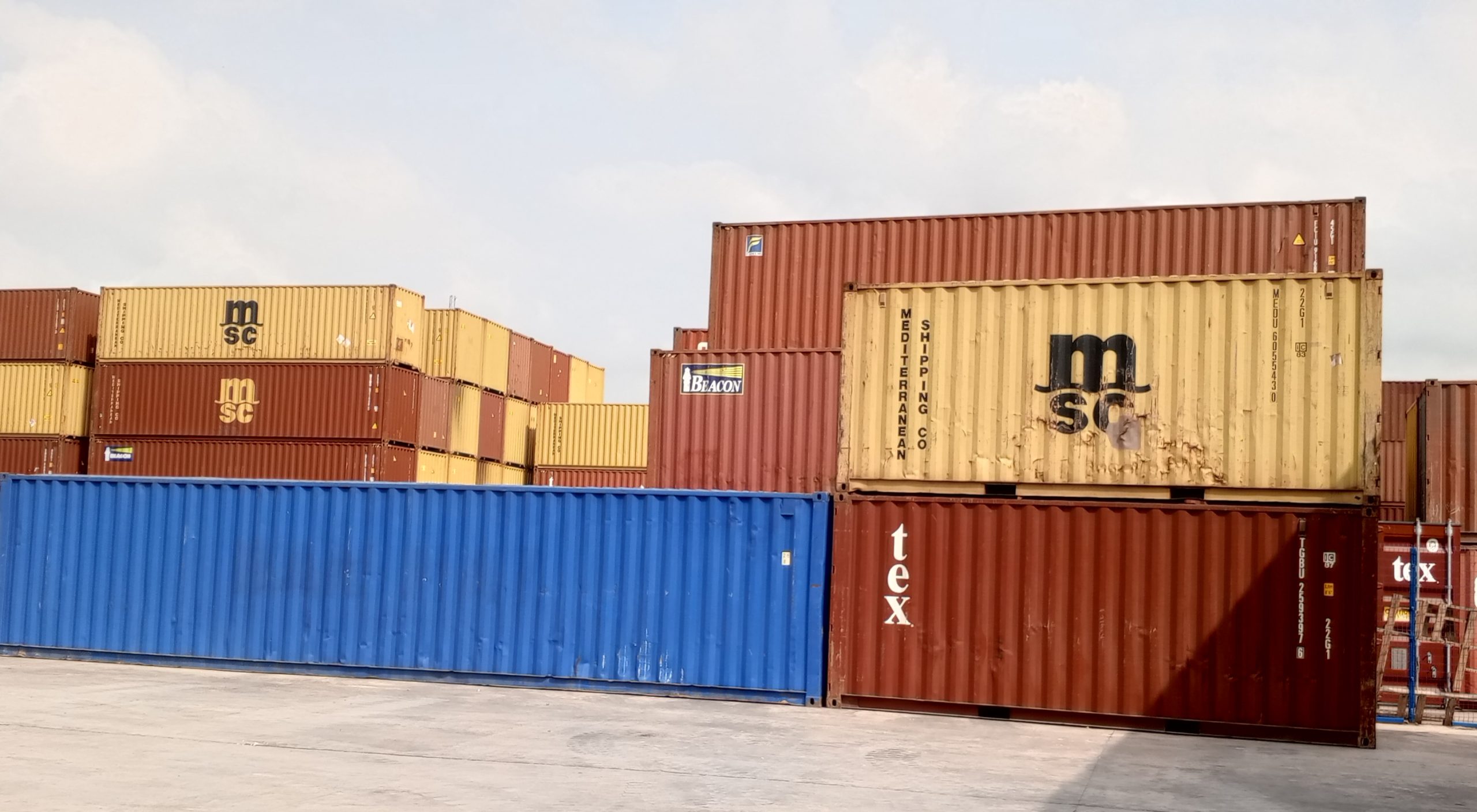
Bonded terminal operations in Nigeria have continued to decline over the last five years, with operators disclosing that utilization across the country’s facilities remains below 10%.
Aare Haruna Omolajomo, Secretary General of the Association of Bonded Terminal Operators of Nigeria (ABTON), shared this alarming figure in a recent chat with Daily Focus Nigeria.
He lamented that despite the emergence of new bonded terminals, stemming containers remains impossible due to greed and competition from port terminal operators.
Omolajomo urged the government to implement policies discouraging foreign participation in bonded terminal operations in Nigeria. He emphasized that these facilities play a traditional role in decongesting mother ports.
The maritime consultant stressed that bonded terminal operations differ significantly from bonded warehouses, noting that while both involve storage, they are distinct functions often confused as one.


“Government is yet to understand the importance of local content. Lack of continuity is a problem because every new CEO wants to introduce their own policies and style—and that’s why we’re facing this predicament in our operations,” he said.
“Bonded terminal operations have continued to decline, becoming a major issue as many operators have closed shop due to poor container stemming.
“I doubt if we’ve operated at close to 10% over the last five years,” Omolajomo maintained.
He reiterated that bonded terminal operators are suffering similar problems as barge operators.
However, ahead of its mandate to intervene and proffer solutions to allegations against terminal operators, Omolajomo appealed to the Nigerian Shippers’ Council (NSC) to conduct the investigation with sincerity.
Speaking against the backdrop of the Minister of Marine and Blue Economy, Adegboyega Oyetola’s directive for the Council to resolve the issues, he advised Chief Executive Officer Dr. Pius Akutah and his management team to prioritize local content.
The maritime consultant expressed optimism that the Council has the capacity to deliver objectively but cautioned that sabotage by corrupt officers could thwart the government’s genuine intentions.
According to Omolajomo, some barging activities in the nation’s maritime operations have been taken over by foreigners—a situation he urged the economic regulator to address by taking the bull by the horns and acting as an unbiased umpire.
He noted that local barge operators are gradually throwing in the towel due to a lack of funds to acquire state-of-the-art barges, while their foreign counterparts enjoy government backing.
Comments are closed.