

NSML Advocates Urgent Maritime Training To Meet Global Regulatory Challenges
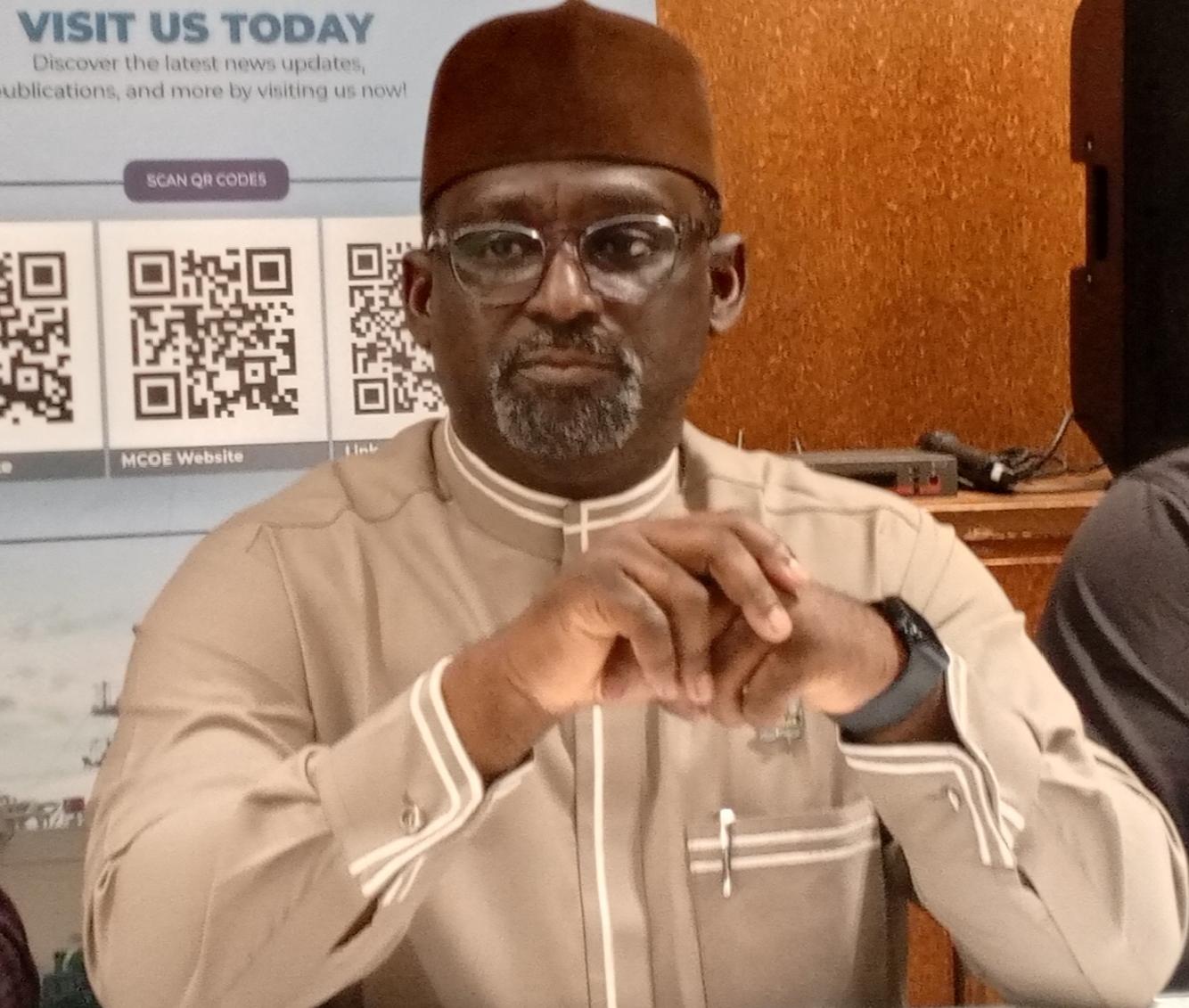
The Managing Director of NLNG Shipping and Marine Services Limited (NSML), Abdulkadir Ahmed, has highlighted the critical need for enhanced maritime training and capacity development to keep pace with rapidly evolving international regulations transforming the maritime sector.
Speaking at the 2025 Annual Conference of the Association of Maritime Journalists of Nigeria (AMJON) in Lagos, Ahmed—represented by NSML’s Chief Finance Officer, Mutiu Olayiwola—stressed that emerging global demands around environmental compliance, digitalisation, cybersecurity, and seafarers’ welfare require urgent investment in skilled human capital.
In his keynote presentation, titled “The Evolving Global Maritime Regulatory Environment – The Role of Maritime Training and Capacity Development,” Ahmed described the maritime industry as a dynamic ecosystem undergoing significant regulatory shifts driven by climate change imperatives, automation, and seafarer rights.
He pointed to key International Maritime Organization (IMO) mandates such as the 2020 Sulphur Cap, the Energy Efficiency Existing Ship Index (EEXI), and the Carbon Intensity Indicator (CII), underscoring their impact on pushing shipowners towards greener technologies and energy-efficient operations.
Ahmed further emphasized growing regulatory focus on autonomous shipping and cybersecurity threats, highlighting the need for maritime professionals adept in managing these technical and digital challenges.

Addressing seafarers’ welfare, Ahmed lauded recent amendments to the Maritime Labour Convention (MLC), advocating for continued prioritization of crew medical care, rest, and repatriation—lessons reinforced by COVID-19’s disruptions to maritime workers.
He emphasized that without continuous training and capacity building, achieving compliance, safety, and operational excellence would be at risk. Ahmed showcased NSML’s Maritime Centre of Excellence (MCOE) in Bonny, Rivers State, which delivers UK-accredited, STCW 2010-compliant training, equipping Nigerian seafarers to compete globally and reducing reliance on foreign certification.
According to him, the MCOE features state-of-the-art simulators for bridge, engine room, cargo handling, and emergency response training, fostering both confidence and competence among cadets and experienced personnel.
Beyond training, Ahmed highlighted NSML’s strategic investments in modern LPG vessel construction, fleet renewal with dual-fuel ships, and exploration of alternative fuels like hydrogen and ammonia aligning with IMO’s 2030 and 2050 environmental targets.
He also mentioned NSML’s partnerships with NIMASA and global maritime institutions, their support of Nigeria’s ship registry reforms, and contribution to maritime security initiatives like the Deep Blue Project.
Ahmed, however, called on government, industry stakeholders, and media to collaborate in building a stronger, more resilient maritime future for Nigeria and Africa, praising AMJON’s vital role in promoting the maritime narrative from within the industry.
Comments are closed.