

WILAT Day 2025: Maritime Law Expert Highlights A.I As Catalyst For Women’s Empowerment
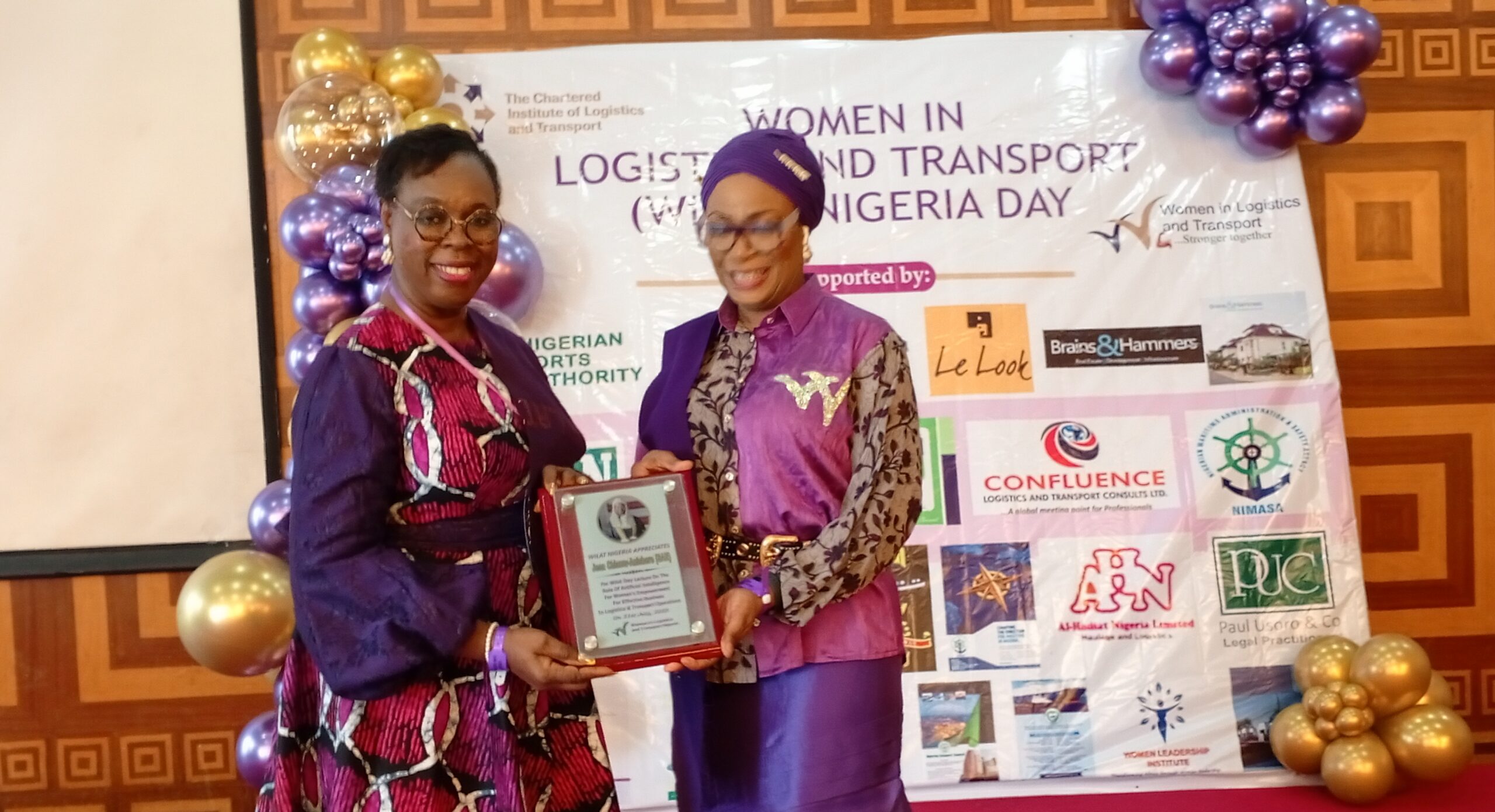
At the 2025 Women in Logistics and Transport (WILAT) Nigeria Day in Lagos, renowned maritime lawyer Jean Chiazor Anishere (SAN) delivered a compelling keynote on the transformative impact of Artificial Intelligence (AI) for women in the logistics and transport sectors.
Speaking to an audience of industry leaders, professionals, and guests, Anishere described the logistics and transport sector as the “silent engine of progress” underpinning the nation’s economy. She acknowledged that, despite the sector’s importance, women have faced longstanding challenges—including manual processes, gender stereotypes, and barriers to entry in a male-dominated industry.
“We, as women, have historically navigated this landscape with immense resilience,” Anishere noted, “despite limited access to opportunities and the arduous demands of the field.”

Anishere highlighted the dawn of a technological revolution, emphasizing that AI is no longer science fiction, but an everyday reality rapidly reshaping work environments across the globe. “Artificial Intelligence refers to computer systems capable of tasks which typically require human intelligence… These tools are not replacing humans but augmenting our capabilities and efficiency,” she explained.
Anishere cited practical examples, from AI robotics lightening physical workloads in warehouses, to autonomous vehicles shifting the focus from driving to monitoring and system oversight; roles accessible to a more diverse workforce. AI-powered chatbots, virtual assistants, and predictive planning tools were spotlighted as technologies that free women for more complex, value-adding responsibilities.
Despite the promise, Anishere cautioned against overlooking persistent barriers, saying , “The digital divide and the skills gap must be addressed for women to fully benefit from AI,” she said. She called for targeted investment in education, upskilling, and policy development to ensure equal access to technology and training, particularly in developing economies.
“With a rallying call: by proactively embracing AI and investing in women’s digital competencies, the logistics and transport sector can become a model for gender inclusivity and technological innovation. “Together, we can ensure that women not only participate in but also shape the future of logistics and transport,” she said.
Comments are closed.