

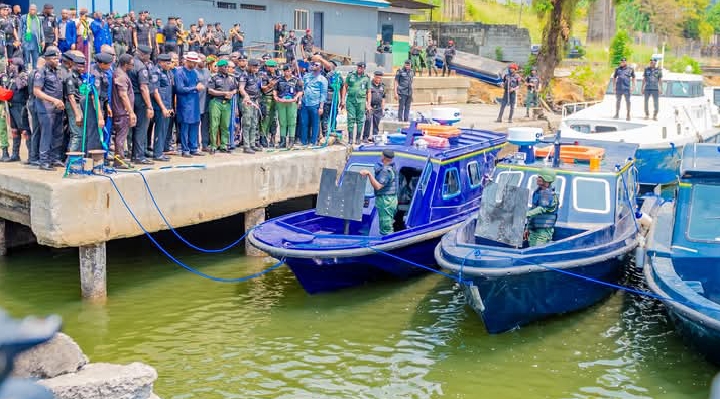
The President of the Waterfront Boat Owners and Transporters Association of Nigeria (WABOTAN), Mr. Tope Fajemirokun, has warned that recent fuel price increases are squeezing boat operators and threatening growth in Nigeria’s water-transport sector, even as he praised ongoing safety collaboration between the National Inland Waterways Authority (NIWA) and the Lagos State Waterways Authority (LASWA).
Speaking on Villa Square, a segment of the weekly tourism programme Cr8tive Naija on Mainland 98.3 FM, Fajemirokun said the surge in fuel costs, combined with broader economic pressures, has made it difficult for operators to replace unsafe wooden “banana” boats or invest in new vessels.
He called for government intervention and financial support—such as soft loans—to help operators upgrade to safer, more modern craft.
Fajemirokun outlined WABOTAN’s safety initiatives ahead of the rainy season, including two induction programmes held this year and plans for another before August.


He commended NIWA and LASWA for their sustained partnership on navigation safety and regulatory enforcement, citing LASWA’s recent investment in clearing water hyacinth from Lagos waterways.
Fajemirokun closed by stressing that safety must remain paramount: operators should enforce life-jacket use and continue training crews and passengers as the rainy season approaches.
While praising the support, he warned that waterways in Rivers and Bayelsa States remain particularly vulnerable during the rains and said WABOTAN, with NIWA’s backing, is intensifying sensitization efforts there. He also urged state and federal governments to invest more in the blue economy, reduce travel costs for commuters, and help phase out unsafe vessels.
Veteran maritime journalist Frank Meke, who co-hosts the programme, echoed calls for greater government commitment, pointing to congested roads and the untapped potential of inland waterways for passenger travel and transporting agricultural produce from states such as Kwara, Niger, Benue, and Taraba.