

Nightmare Of Nigeria’s Correctional Facilities And The Need For Urgent Reforms
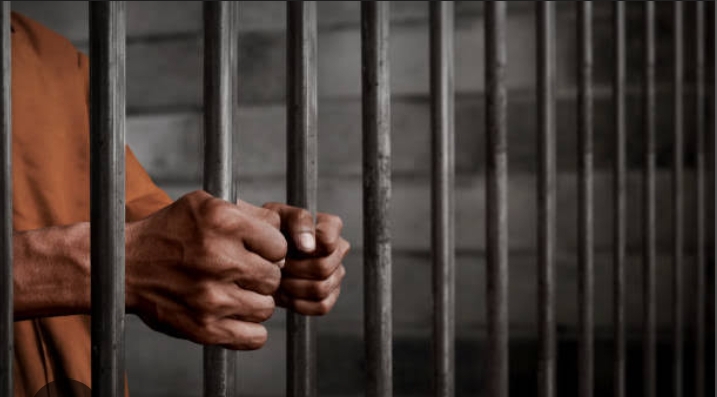
With the current state of the nation’s correctional facilities,nationwide , government at all level can make a change with aggressive reforms, Roland Ekama writes
Nigeria stands at a crossroads. For decades, the nation has treated imprisonment as a one-size-fits-all response to crime, poverty, addiction, social failure, and even minor infractions that do not threaten public safety.
Yet today, the country is paying the price economically, socially, and morally. With an overcrowded and financially draining prison system that delivers neither rehabilitation nor deterrence, the urgent call for radical prison reform is no longer an option; it is a national emergency.
The Nigerian government must confront a hard truth: it is possible to reduce the use of imprisonment without increasing crime rates. Many nations have proven this. But Nigeria continues on a path where more prisons are built, more lives are wasted, more families are destroyed, and the public purse bleeds billions that yield no tangible return on safety or productivity.
The correctional system has become a black hole, swallowing scarce government funds while producing no economic value. Instead of rehabilitation, it fuels a revolving door of reoffending.
Young men enter the system with petty offenses and leave hardened, traumatized, and without skills or hope. Rather than being reformed, many inmates come out worse than they went in.This is not a secret. International organizations, Nigerian scholars, judicial stakeholders, and human rights bodies have repeatedly raised concerns, but the pace of reform remains painfully slow.
The cost of maintaining a system that does not work is staggering. The government spends billions yearly on inmate feeding, uniforms, logistics, staff salaries, health care, fuel, maintenance, and infrastructure, and yet no single prison generates revenue or contributes to national development.In an economy battling inflation, insecurity, unemployment, and dwindling revenue streams, continuing this wasteful cycle is national suicide.
Nigeria’s prisons have become warehouses for the poor, the uneducated, the unemployed, and the socially abandoned. The majority of inmates are awaiting trial, locked up for years without conviction.
Many are placed in prison for minor offenses that could be resolved through community service, fines, treatment programs, mediation, or supervised non-custodial sanctions.This outdated system fuels crime instead of preventing it.
When people are thrown into prisons for petty offenses, they spend years exposed to hardened criminals, gang influence, drug abuse, trauma, and hopelessness. When they return to society, they face stigma, unemployment, and the absence of support systems—conditions guaranteed to push them back into crime.
Breaking this cycle requires courage—political courage, judicial courage, and societal courage.From Norway to Portugal, Rwanda to South Africa, nations have demonstrated that shorter sentences, fewer imprisonments, and strong rehabilitation systems reduce crime far more than mass incarceration.

These countries invested in community corrections, education, mental health support, addiction treatment, and economic opportunities, leading to dramatic reductions in reoffending.Nigeria has the human resources, the intellectual capacity, and the international support to replicate these successes.
What is missing is political will and a national consensus that the old punishment-driven model has failed. A genuine reform agenda must recognize that imprisonment should be reserved for dangerous offenders, not poverty-driven youths, drug-addicted teenagers, petty traders, or people who simply have no legal representation.
A smarter correctional strategy would:Implement mass non-custodial sentencing.
Expand probation and parole systems invest in drug treatment, mental health services, and vocational programmes strengthen community restorative justice , reduce pre-trial detention, Decriminalize minor non-violent offenses, Establish revenue-generating inmate Industries introduce education-based rehabilitation across all prisons Protect the rights and dignity of inmates .
Such reforms would slash correctional spending, reduce prison crowding, improve public safety, boost national productivity, and restore human dignity.Nigeria cannot continue to operate a system where imprisonment is the default response to social failure. The world is watching.
International human rights bodies, global justice reform organizations, and diaspora communities are increasingly drawing attention to the deplorable state of Nigerian prisons.
The negative image it creates affects foreign partnerships, investment perception, and humanitarian relations.This must trigger a national debate—a conversation that brings together the government, civil society, judiciary, religious institutions, academia, and the everyday Nigerian.
Reform must shift from being a political slogan to a coordinated national action plan.The question is no longer whether Nigeria needs prison reform. The question is whether Nigeria can survive without it. The government stands at a historic moment.
It can choose to lead Nigeria into a new era where justice is restorative, prisons are rehabilitative, lives are transformed, and national resources are saved, or it can maintain the status quo and watch the crisis deepen.
Radical prison reform is not about leniency. It is about logic, justice, economics, and national sustainability. It is about creating a system that protects society instead of destroying it from within. It is about understanding that crime reduces when people have hope, opportunity, education, healing, and community—not when they are locked away and forgotten.Nigeria deserves better.
The people deserve better. And the time for decisive, transformative action is now.
Comments are closed.