

Nigeria Joins Global Movement To Empower Communities Through Training For Transformation
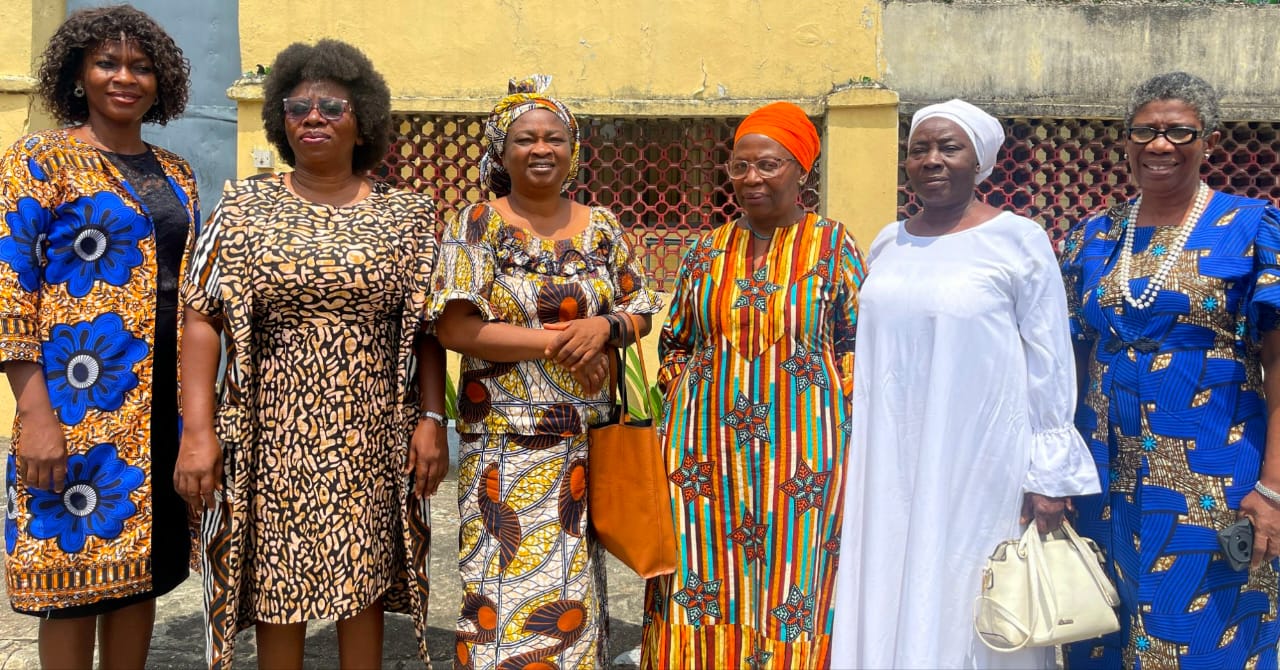
Nigeria has officially become part of the global Training for Transformation (TFT) movement, an international initiative dedicated to mentoring and equipping citizens to drive positive change within their communities and beyond.
This milestone was marked during a recent interactive media session in Lagos, where Talent Ntombi Nyathi, Leadership Team mentor and 3rd Generation Director of TFT reaffirmed her commitment to expanding access to transformative training programs for Nigerians.
As Nigeria joins 63 other countries embracing TFT’s innovative model, the movement continues to focus on building local capacity, empowering individuals with practical skills, and fostering grassroots leadership to effectively tackle national and community challenges.
Nyathi commended Nigerian members for their exceptional dedication and grassroots initiatives that are helping compatriots gain practical skills and live more purposeful lives.
“We are building people’s capacity to grow. They are now producing and refining goods such as plantain flour for export instead of selling raw commodities. Change starts small and grows. Transformation is not a project but a process. TFT works with the deprived and those on the periphery of society,” she explained.
Founded in South Africa, TFT offers free training and mentoring tailored to the needs of each country.
Participants are equipped with skills to drive change in areas such as leadership, family life, education, economy, environment, and governance.
Nyathi revealed that under her leadership, TFT expanded from 21 to 63 countries, with Nigeria among the newest members.

She also disclosed that the programme, initially reserved for women, was restructured to include men, provided they had at least three years of verifiable experience in social change.
Although the first attempt to train men ended in disappointment—many absconded—she noted that a Nigerian participant sent through the Justice, Development and Peace Commission (JDPC) distinguished himself, restoring confidence in male inclusion.
One of the Nigerian facilitators, Eseoghene Ajuyah, disclosed that five TFT training sessions have already been conducted in Nigeria—two in Lagos and three in Owo—with the next planned for early 2026.
“Since COVID, we no longer take participants to South Africa. The trainings are now held locally, aligned with Nigeria’s realities. We deal with issues from self-awareness and family stability to community security, leadership, gender, spirituality, environment, and the economy,” Ajuyah said.
Another facilitator, Pastor (Mrs) Bernard Sowho Elizabeth, emphasized that TFT’s ultimate goal in Nigeria is to reach national leaders.
“We believe the day will come when instead of holding retreats in hotels, our leaders will come to Sister’s City for training. There, we will work on their hearts, awakening compassion and transforming governance,” she said.
Many Nigerians who have benefitted from TFT are already driving grassroots initiatives. Among them is Mrs. Tosin Adebowale-Oladosu, who established Sister’s City in Owo—a centre where young women facing poverty are housed and trained in food processing, tailoring, baking, packaging for export, and life skills development.
Through such initiatives, TFT continues to nurture grassroots organisations, building communities’ capacity to defend their rights, manage their resources, and lead their own development.
Comments are closed.