

Mission Reports Seafarer Happiness Index improvement In Q2
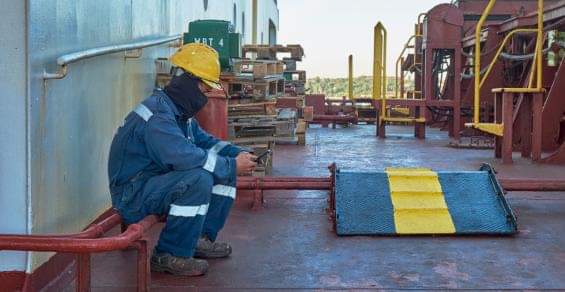
The familiar challenges of work at sea remain evident as sentiment improves, but solutions are needed, report says.
Seafarer happiness improved across all areas in the second quarter of 2025, according to the latest Seafarers Happiness Index report from The Mission to Seafarers.
The index, which uses seafarer responses to structured survey questions to create a score out of 10 for happiness in various areas of work life, recorded a general happiness score of 7.31, up from 6.8 in the first quarter of the year. Camaraderie and friendship built during hardship are common underlying factors in onboard happiness, the authors noted, and happiness can vary greatly between vessel types.
Some 48% of respondents worked aboard tankers, 41% on bulk carriers, 5% on container ships, 4% on cruise ships and 3% on offshore vessels.
A concerning happiness gap was found between male and female seafarers. Men reported a higher average happiness level than women. The report said the data shows female seafarers face additional challenges that impact their overall wellbeing and job satisfaction.
“This finding demands urgent attention from industry stakeholders, as it indicates that efforts to increase female participation in maritime careers must be accompanied by targeted improvements in working conditions and support systems,” the report said.

The industry’s gender imbalance was on show with 89% of respondents male, 7% female and the remainder preferring not to say.
The greatest improvement across the nine sub indexes was for crew welfare, which measures seafarer access to welfare facilities and the quality of services available. Respondents noted that awareness and utilisation of services could be improved, as could their quality and relevance.
Closely linked to seafarer welfare services is shore leave, which saw the smallest improvement in the second quarter, and was the lowest scoring, making it the greatest challenge identified in the report. LNG carriers were identified as ships with no shore leave access, and difficulty accessing shore leave was linked to low crewing levels by some respondents.
“This finding reflects the compound impact of reduced manning levels, tight scheduling, and incredibly five years on, the still lingering effects of pandemic-era restrictions,” the report said.
Seafarers wrote of the positive psychological impact of access to shore leave, but the survey’s data suggests the fundamental need for shore leave is often overridden by operational pressures and commercial considerations.
“This category represents perhaps the most critical area requiring industry intervention, as shore leave directly impacts mental health, family relationships, and overall job satisfaction,” the report said.
Comments are closed.