

Israel’s Zim Sale To Hapag-Lloyd Hits Political Wall
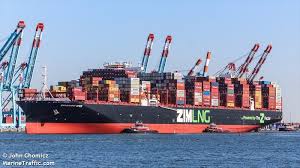
Israel’s political showdown over the $4.2 billion sale of national shipping giant Zim to Germany’s Hapag-Lloyd kicked off in earnest this week, as the Knesset’s Economic Affairs Committee grilled stakeholders on the deal’s national security risks.
Announced last week after months of talks, the blockbuster merger carves out “New Zim”—a lean, 16-vessel operation fully owned by Israeli private equity firm FIMI Opportunity Funds.
This new entity will run three key routes (two to the Mediterranean, one to the US East Coast) and shoulder Zim’s critical “golden share” duties: providing logistical support to the Israeli military during conflicts.

Hapag-Lloyd, confident in closing the deal, emphasized FIMI’s full responsibility for the golden share, ships, and Zim brand, promising Israel “access to a modern fleet” for crisis resilience. The German liner, citing smooth past acquisitions like UASC and CSAV, dismissed hurdles as surmountable.
Yet, fireworks erupted in the Knesset hearing initiated by lawmaker Oded Forer, who slammed the structure as risking a “weakened company” unfit for national duties.
Critics, including regulators and Zim’s worker reps, fret that New Zim’s slimmed-down fleet can’t match past obligations—especially with Hapag-Lloyd’s major shareholders, Qatar Investment Authority (12.3%) and Saudi Arabia’s Public Investment Fund (10.2%), injecting geopolitical tension. Employee chair Oren Caspi warned of wartime reliance on “Qatar and Saudi reps,” while Government Companies Authority deputy Galit Widerman stressed protecting golden share terms pre-deal.
Hapag-Lloyd remains bullish: “Our experienced teams will leave no stone unturned.” As debates rage, the sale’s fate hangs on balancing commercial muscle with Israel’s strategic shipping needs.
Comments are closed.