
EHINGBETI HUB: NIWA Canvasses Greater Investment Toward Advancing Blue Economy Prosperity
The National Inland Waterways Authority (NIWA), has campaigned for the Federal Government and private sector investors to significantly scale up investments in Nigeria’s inland waterways, stressing that such action is crucial to unlocking the nation’s blue economy potential and transforming the lives of millions in coastal communities.
The Nigerian government has established a new Ministry of Marine and Blue Economy to prioritize investment and development of inland waterways, a move aimed at unlocking the country’s blue economy potential and improving livelihoods in coastal communities.
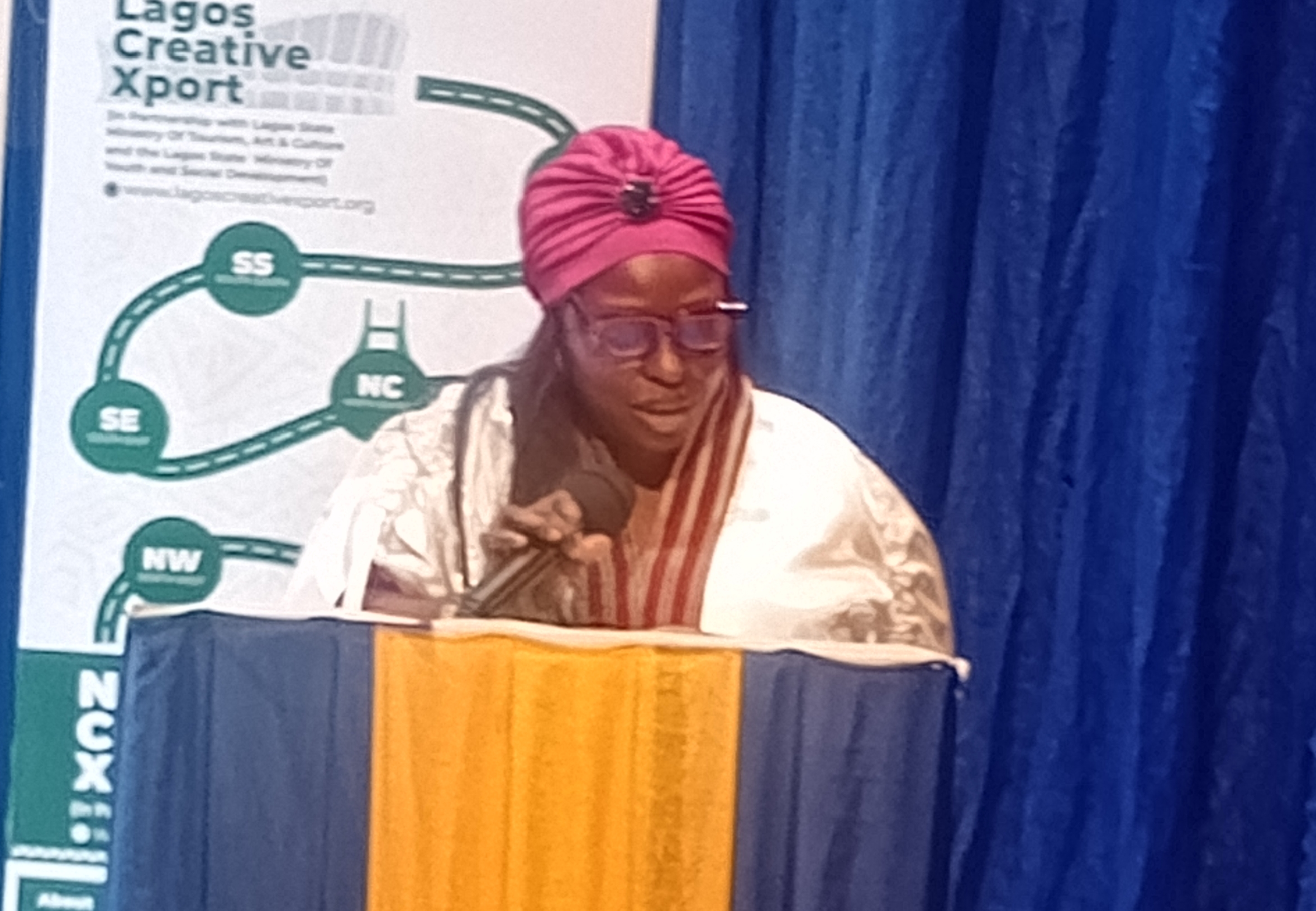
Speaking at the 3rd EHINGBETI Blue Economy Hub , Lagos, Area Manager, National Inland Waterways Authority (NIWA) , Engr Sarat Braimah emphasized the critical economic and social role of waterways, which connect over 28 riverine states and link Nigeria to five neighboring West African countries.
According to her, the shift from the Ministry of Transportation to a dedicated ministry underscores stronger government commitment to harnessing aquatic resources.
Engineer Buraimoh, highlighted the urgent need for investment, citing China’s successful inland waterway development as a benchmark.
- Advertisement -
She added that despite challenges such as high capital costs and low political visibility, ongoing projects like Lagos’s water transport system and Niger River dredging show promising benefits.
With growing infrastructure developments including Badawi port and Omi Eko water buses, the Area Manager stressed that the ministry aims to promote inclusivity and trigger economic growth for coastal and riverine communities through collaborative efforts and increased awareness.
She stated that “Despite numerous meetings, seminars, and discussions, lack of visible infrastructure has hindered political will and public awareness. Buraimoh lamented that inland waterway projects are capital intensive and less visible to voters compared to traditional road or building projects, which slows political investment.
However, the mariner engineer reiterated that successful examples notably in Lagos show the potential of this sector. The Lagos state government has made significant investments, moving people and cargo efficiently by water, regulated by the National Inland Waterways Authority.
“The dredging of the Niger River further demonstrates efforts to make these waterways viable and beneficial, especially for coastal and riverine communities.With increased development of infrastructure like Badawi port and expansion of water transport systems such as Omi eko buses, there is growing optimism about the inclusiveness and economic impact inland waterways will have for the surrounding communities.
“The ministry remains committed to raising awareness and encouraging collaborative investments to unlock the full potential of Nigeria’s inland waterways.” She noted.
Comments are closed.