

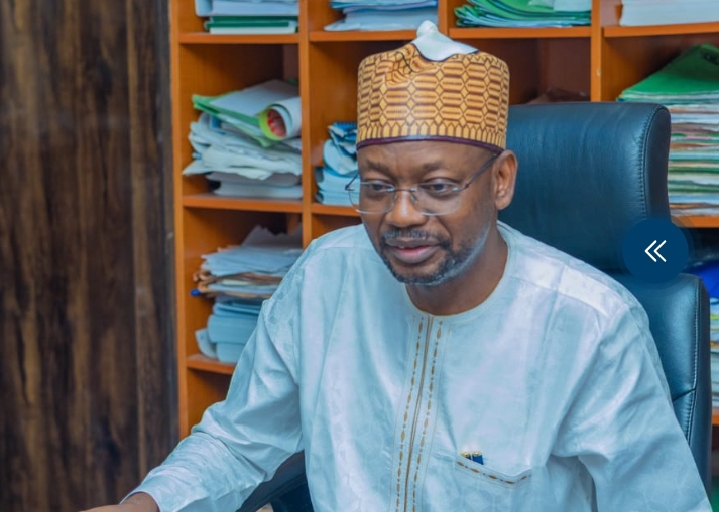
The Acting Managing Director/Chief Executive Officer of the National Inland Waterways Authority (NIWA), Umar Yusuf Girei, has issued a stark warning about the devastating dangers of rapid urbanization as Nigeria joins the global community to mark the 2026 World Environment Day.
The 2026 World Environment Day celebration, themed “Urbanisation and Climate Change: Building Resilient Cities for a Sustainable Future,” exposes the alarming environmental crisis accompanying rapid urban growth, where nearly 40% of global urban expansion occurs in slums with unsanitary conditions
Revealing how unchecked city expansion around waterways is pushing Nigeria’s environment toward catastrophic collapse, Girei explained that NIWA views inland waterways as natural infrastructure for building urban resilience, where properly managed rivers serve as critical drainage pathways to mitigate flooding.
At NIWA Headquarters in Lokoja, Girei delivered a critical message: urban areas are rapidly expanding around waterways, transforming vital commerce and culture centers into environmental hotspot zones. He warned that uncontrolled urbanization creates four major dangers.
However, rapid urbanization is overwhelming these natural systems, creating epicenters for disease transmission including vector-borne diseases

When poorly planned, urbanization leads to congestion, higher crime rates, pollution, increased inequality, and social exclusion
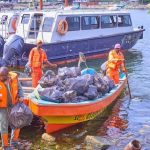
The Authority boss reiterated its commitment to responsible dredging to prevent waterway blockage, adding that riverbank protection against encroachment and eliminating pollution and indiscriminate waste disposal should be a major concern to all.
Girei stressed that government cannot shoulder this responsibility alone, urging Nigerians to immediately:
According to him,” Report illegal dredging and encroachment Support environmental protection initiatives.”
He further encouraged greater adoption of water transportation as a safer, low-carbon alternative to road transport—a cleaner option that reduces urban pollution .
The bottom line: Without coordinated action against unchecked urbanization, Nigeria’s waterways face irreversible damage, flooding disasters, and environmental collapse that will threaten millions of lives across urban centers.