

With the deadly boat mishaps ravaging Niger State and other parts of the country , coupled the state government pledged to crackdown on passengers’ negligence on safety apparatus provided for waterways transportation, Roland Ekama writes to X-ray ups and downs of Niger State and its brown waters quagmires.
The clock is ticking for Niger State’s waterways to witness some level of sanity and safety , hence the recent government’s pledges to crack down on lawbreakers, with a view to invest in safer ferries, and harness modern technology may finally turn the tide on this preventable bloodshed? Or will superstition and negligence continue to claim more innocent lives on Nigeria’s rivers?
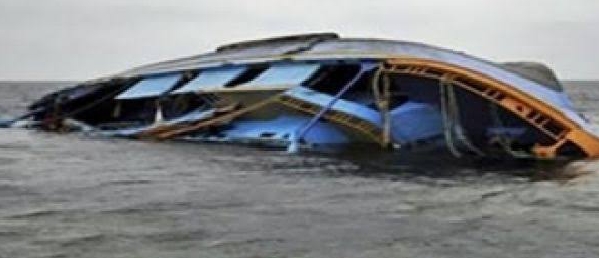
Tragedy continues to haunt the serene waterways of Niger State as fatal boat accidents claim the lives of innocent passengers, exposing a deadly combination of negligence, superstition, and recklessness. With at least thirteen lives lost recently in a disastrous boat capsizing at Zumba, the State Government has declared a relentless war on unsafe water transportation.
While the government has responded swiftly by providing aid to affected families—handing out cash, rice, and maize—the message is clear: condolences alone won’t stop the deaths. Immediate, enforceable action is needed.
Deputy Governor Comrade Yakubu Garba was quoted delivering a stern message recently insisting that Niger State is “open for investment across all transportation sectors” — but with ironclad safety measures as non-negotiable. “The governor will not hesitate to support any effort that promotes life, security, and economic growth,” Garba warned, emphasizing that human lives come first on the agenda of the current administration.
Despite heroic government efforts, including the distribution of 200 life jackets and substantial safety awareness drives led by Commissioner of Transport Hajiya Hadiza Idris Kuta and the local government chairman Aminu Najume, deadly complacency persists. In the recent tragedy, passengers tragically refused to wear the life jackets provided, prompting Kuta to promise strict sanctions against boat operators and passengers flouting safety rules.
The Munya Local Government chairman confirmed the grim reality: “Those who wore life jackets survived, the others perished.” Yet, overloaded boats teeming with goods, cows, and passengers continue to ply Nigeria’s rivers, turning everyday commutes into fatal voyages. Najume’s battle is uphill as rural residents stubbornly prioritize profit and convenience over their own survival.
The dire situation has drawn powerful condemnation from Alhaji Yahaya Abubakar, Etsu Nupe and chairman of the Niger State Council of Traditional Rulers, who called out the National Inland Waterways Authority (NIWA) to enforce safety laws with uncompromising rigour. “We cannot continue losing lives in avoidable accidents,” declared the traditional ruler, demanding criminal prosecution for offenders and the deployment of safety marshals to monitor every boat and passenger.
Alhaji Abubakar blasted the culture of impunity that allows boat operators to overload vessels and passengers to ignore life jackets, likening such recklessness to deadly road crashes caused by overloaded buses. He emphatically urged a united front from the government, communities, and transport unions to end this wave of riverine carnage once and for all.

Speaking during an interactive session with journalists recently, on safety and security concerns in rural water transportation at his palace in Bida , the royal father expressed deep frustration over the recurring loss of lives in boat mishaps, which he said are largely preventable if regulations are adhered to.
Alhaji Abubakar decried a pattern of indiscipline among some boat operators and passengers, including habitual overloading of vessels, transporting goods far beyond capacity, and neglecting the use of life jackets. He warned that these unsafe practices, coupled with a lack of enforcement, continue to cause tragedies on Niger State’s rivers and waterways.
“We cannot continue to watch our people die in accidents that could have been avoided. The government must not only issue safety directives but must ensure strict enforcement and prosecute anyone who violates these laws,” he declared.
The monarch drew parallels between unsafe boating and the dangers of overloaded road vehicles, noting that just as buses crammed with passengers and luggage can lead to fatal accidents, boats weighed down beyond their limit are disasters waiting to happen. He stressed that every passenger should be provided with a life jacket and compelled to wear it before departure.
According to him, enforcement must be more than a symbolic exercise. He urged the government to deploy trained safety officers at departure points along major waterways, tasked with inspecting vessels, monitoring passenger compliance, and stopping any operator who fails to meet safety standards.
Alhaji Abubakar also highlighted the role of community participation, calling on traditional leaders, youth groups, and transport unions to join the campaign against recklessness on water. He said community vigilance is vital because most waterways transport activities occur in rural and riverine areas where government monitoring is often limited.
He noted that while government officials often arrive to console victims after accidents, the real solution lies in proactive safety enforcement that prevents such incidents in the first place.
“Our focus must shift from condolence after disaster to prevention before disaster. That is the only way to save lives and protect the livelihoods of our people,” he said.
The Etsu Nupe further appealed for public awareness campaigns to educate passengers on their rights to safety and their responsibility to comply with safety instructions. He maintained that passengers also share blame when they board unsafe vessels without protest.