

Diplomatic Trips, No Triumph: Why Nigeria May Not Secure IMO Category C Seat
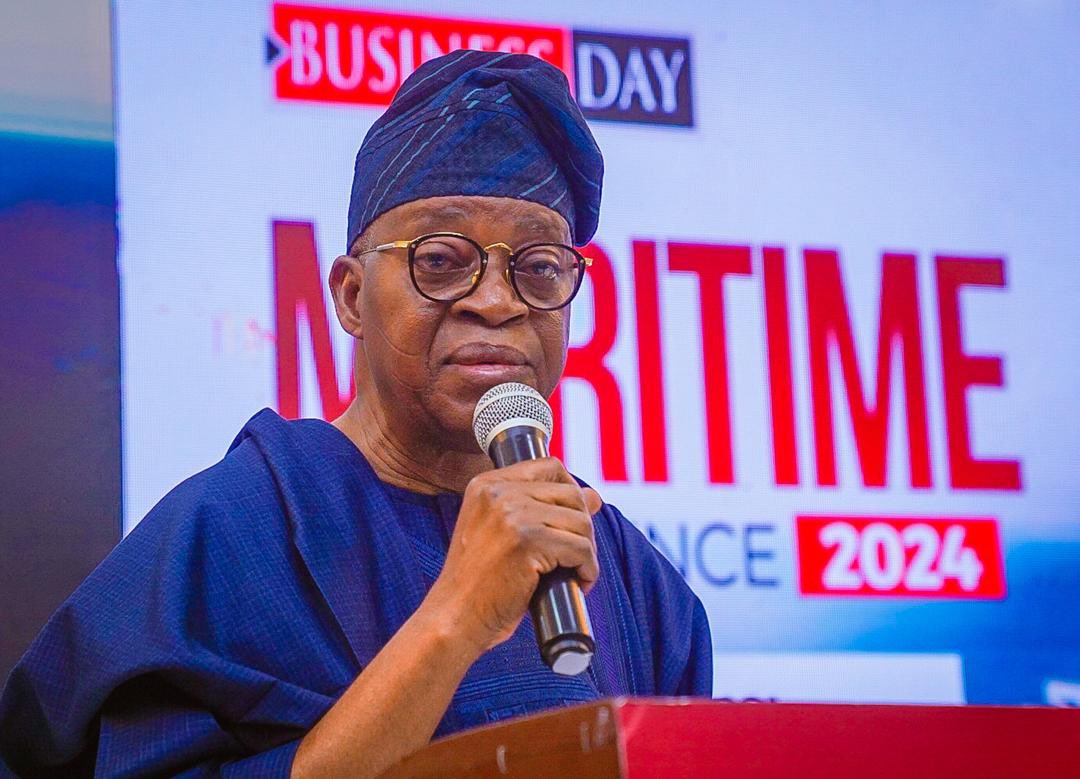
Inside the struggle of Nigeria’s Blue Economy Ministry in the last two years of existence, coupled with the International Maritime Organization IMO category C crusade agenda, Roland Ekama writes on possible stumbling blocks Nigeria will face ahead of the elections.
President Bola Ahmed Tinubu deserves commendation for establishing the Federal Ministry of Marine and Blue Economy, aimed at transforming the maritime industry.
The initiative to carve out this two-year-old ministry from the Ministry of Transportation clearly indicates the President’s commitment to advancing the maritime sector with a focus on resolving major challenges and bottlenecks.
However, in the two years since the ministry’s creation, it is pertinent to state categorically that the Marine and Blue Economy sector is progressing very slowly toward achieving its mandates. Perhaps the appointment of a Minister without relevant experience, coupled with political undertones and inclinations, has hindered the expected rapid growth.
The campaign for Nigeria’s inclusion on the International Maritime Organization (IMO) Category C list does not appear to offer significant economic value to the industry or the country.
What is the relevance of lobbying for Nigeria, Africa’s giant, to occupy a seat on the IMO Category C list when it is widely known that the two-year-old ministry has yet to make any significant impact on the blue economy?
Reports reveal that the Minister of Marine and Blue Economy is being portrayed largely as a figurehead focused on federal and Lagos activities, with attention limited to the “Centre of Excellence” and the “Seat of Power.”
Given the enormous potential in Nigeria’s South-South region, greater focus and priority should be directed to these states for economic gains and prosperity.
The Minister, Alhaji Adegboyega Oyetola, should take a step back to reorganize the ministry’s departments and agencies under his supervision and launch an aggressive campaign targeting the littoral states as part of efforts to create wealth for Nigerians.
Apart from distributing lifejackets in some littoral states, little substantial progress has been made to promote or project the blue economy. Besides safety measures implemented by the Oyetola-led ministry, Nigerians have yet to feel the impact of the Ministry of Marine and Blue Economy.
If reliance is mainly on lifejacket donations to passengers in Lokoja, Liverpool, Warri, Igbokoda, Nembe, Ilaje, Kebbi, Ilashe, Ibaka, or Calabar, then Nigeria is not ready for serious maritime business. There remain numerous gaps that need to be addressed. The inland brown waters pose unique challenges, so do the blue waters offshore.
Fishing regulations, a critical aspect of the ministry’s mandate, have been completely neglected. Besides foreign dominance in Nigeria’s territorial waters depleting aquatic resources, indigenous trawler owners face significant barriers. The long-standing demand for a fishing terminal remains unfulfilled, and imposed taxes and levies on trawler operators discourage business growth.
In the last five years, many trawler owners have struggled to break even due to inconsistent government policies, with some operators forced out of business.
Government efforts should focus on capacity building in the region, including marine engineering, boat building and repairs, swimming, lifejacket manufacturing, and fabrication.
Regarding the Cabotage Vessel Financing Fund (CVFF) disbursement, a commendable initiative by the Minister, observers both locally and internationally await the promised August deadline for its rollout.


Previous administrations also promised to empower indigenous operators to boost local content, but Nigeria can only wait to see what the federal government accomplishes by August 2025.
The blue economy has the potential to create millions of direct jobs. Notably, the IMO Category C seat offers no tangible benefit to the common fisherman in Bayelsa State or the dredger in Ondo State.
The Nigerian government, through the ministry, should urgently initiate special projects to build capacity for people in these regions, who specialize in various maritime endeavours.
Between 2023 and 2025, Nigeria undertook an extensive diplomatic campaign to secure the IMO Category C seat, visiting and engaging numerous countries. The Nigerian government has led high-level bilateral meetings with maritime nations including Greece, Spain, Oman, Bangladesh, Namibia, and others as part of a “door-to-door diplomacy” approach. The government also met with leaders from island nations such as Papua New Guinea, Saint Kitts and Nevis, and Tuvalu to build support.
Additionally, Nigeria engaged France diplomatically, seeking support through a courtesy visit with the French Ambassador to Nigeria and by leading Nigeria’s delegation to ocean-related international events in France.
During this period, Nigeria visited at least a dozen countries or diplomatic partners across various continents.
However, Nigeria has not yet qualified to secure the IMO Category C seat due to several factors: ineffective preparation, poor infrastructure, incomplete compliance with key IMO conventions, maritime security challenges such as piracy, and weak international relations, particularly with Francophone countries. These issues have tarnished Nigeria’s reputation and reduced voting support within the IMO membership.
Nigeria was criticized for late preparations and failure to implement corrective actions fully in time for the IMO council elections, which hurt its chances in previous bids.
The country’s underdeveloped shipping industry, poor port infrastructure, pollution, and challenging business environment undermine its competitiveness compared to other maritime nations vying for the seat.
Moreover, Nigeria has not fully implemented mandatory IMO instruments like SOLAS, MARPOL, STCW, Load Lines, Tonnage, and COLREG, all required qualifications for IMO council membership.
Despite efforts, piracy and attacks on fishermen continue in Nigerian waters, damaging the country’s image as a safe maritime environment. This insecurity influences voting decisions by IMO members.
Diplomatic and regional challenges include Nigeria’s strained relations and lack of support from Francophone African countries, possibly due to border closures and diplomatic gaps, resulting in lost crucial votes.
Nigeria also faces stiff competition from 27 other countries with more robust maritime sectors.
Nevertheless, Nigeria has intensified efforts recently, including the Deep Blue Project for maritime security, improved compliance, and ongoing diplomatic campaigns to regain the seat at the next IMO Category C election. The government and maritime agencies remain optimistic and are engaging in comprehensive preparation to address past gaps.
The failure to secure the IMO seat in the past stemmed from a combination of infrastructural, security, diplomatic, and procedural deficiencies that Nigeria is currently working to overcome for future elections.
This revision improves grammar, clarity, and flow while preserving the original meaning and detail. Let me know if you want it shortened or further refined for a specific style.
Comments are closed.